
Your Dishwasher Doesn't Drain

Dawn Sherwin • August 28, 2024

Dishwashers are a lifesaver in modern households, making kitchen cleanup a breeze. But what happens when your trusty appliance refuses to drain, leaving your dishwasher (and your patience) full of standing water? Before you call a professional, try these straightforward steps to troubleshoot and fix the issue yourself.
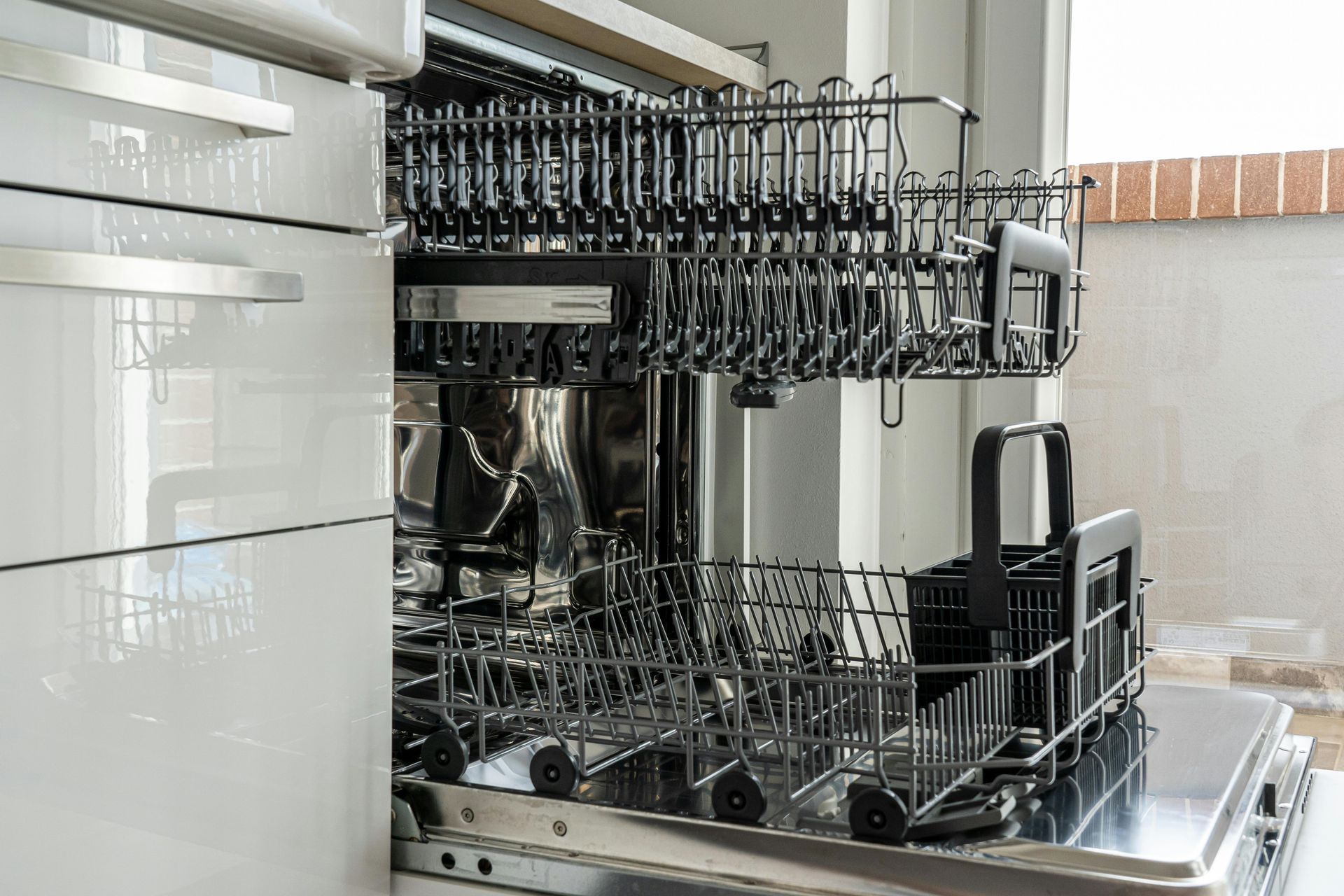
Step 1: Safety First

Before starting any repair, ensure your safety by:

  • Unplugging the dishwasher or switching off the circuit breaker.
  • Turning off the water supply to avoid any accidental flooding.


Step 2: Check the Drain Hose

Often, a clogged or kinked drain hose is the culprit behind a dishwasher that won't drain.

  • Locate the drain hose connected to your sink's plumbing or garbage disposal.
  • Inspect the hose for any kinks or obstructions.
  • Flush out any clogs by detaching the hose and using a straightened wire hanger or running water through it.


Step 3: Clean the Filter

A blocked filter can prevent water from draining correctly.

  • Locate the filter at the bottom of your dishwasher.
  • Remove the filter by following the instructions in your dishwasher's manual.
  • Rinse the filter under warm water to remove any debris.
  • Reinstall the filter securely.


Step 4: Inspect the Garbage Disposal

If your dishwasher is connected to a garbage disposal, a blockage there could affect drainage.

  • Run the garbage disposal to clear any potential blockages.
  • Check for clogs in the connection between the disposal and the dishwasher drain hose.


Step 5: Examine the Air Gap

An air gap prevents dirty water from backflowing into the dishwasher.

  • Locate the air gap near your sink faucet (if installed).
  • Remove the cover and cap of the air gap.
  • Clean out any debris using a brush or a small pipe cleaner.


Step 6: Test the Drain Pump

The drain pump is responsible for pushing water out of the dishwasher.

  • Listen for the sound of the drain pump when your dishwasher enters the drain cycle. A silent pump might indicate a problem.
  • Check for obstructions by accessing the drain pump (refer to your manual) and removing any debris.


Step 7: Run a Test Cycle

Once you've addressed potential issues:

  • Reconnect and restore power to your dishwasher.
  • Run a short cycle to see if the water drains correctly.


Call A Rescue Rooter!


If you've tried all these steps and your dishwasher still won't drain, it might be time to call in a professional from A Rescue Rooter in Hamilton.  Persistent problems could indicate more complex issues with the internal components of the dishwasher.


A dishwasher that doesn't drain can be a frustrating issue, but with these steps, you can often resolve the problem quickly and efficiently. For more tips and expert advice, consider reaching out to A Rescue Rooters’ plumbers in Hamilton! They are ready to help you 24/7 and won’t charge you a premium!


A Rescue Rooter…(905) 521-8284!
By Chelsey Smith April 24, 2026
When a pipe bursts or a drain backs up, most people panic and call the first name they find online. But choosing the wrong plumber can cost you far more than the original problem. If you’re searching for reliable Hamilton plumbers , knowing what to look for can save you time, money, and serious stress. Here’s how to confidently choose a reputable plumber and make sure they’re properly licensed.
By Chelsey Smith April 2, 2026
When a drain backs up, panic often sets in—but before you reach for harsh chemicals or call it a lost cause, a simple plunger can often do the trick. Knowing how to use the right type of plunger—and how to use it correctly—can save you time, money, and stress. In this guide, we’ll walk you through how to use both toilet and sink plungers effectively, and when it’s time to call in the professionals at A Rescue Rooter in Southern Ontario.
February 27, 2026
As the snow melts and the first green shoots of spring appear, it feels natural to breathe a sigh of relief. The harsh winter is finally behind us, and warmer days are ahead. However, while you are ready to welcome the sunshine, your home’s plumbing system might be facing its most difficult challenge of the year.  The transition from freezing winter temperatures to the damp warmth of spring creates specific environmental changes that can stress your pipes. Understanding what happens beneath the ground during the "spring thaw" is the first step in protecting your home from unexpected leaks and water damage. By staying vigilant and knowing what to look for, you can ensure your plumbing transitions into the new season as smoothly as you do. How the Spring Thaw Affects Your Plumbing It is easy to assume that the danger to your pipes passes once the sub-zero temperatures vanish. In reality, the thawing process can be just as damaging as the freezing process. When the ground freezes, it expands. As it thaws, the soil contracts and shifts. This movement can put immense pressure on your home's water and sewer lines buried underground. If the earth shifts too dramatically, it can cause pipes to crack, bend, or even detach completely. Additionally, the spring thaw brings water—lots of it. Melting snow saturates the soil, raising the water table. This excess water puts hydrostatic pressure on your foundation and pipes, potentially leading to basement flooding if your drainage systems aren't working perfectly. Common Signs of Pipe Damage Because much of your plumbing is hidden behind walls or buried underground, you might not notice an issue until it becomes a significant problem. Keep a close eye on your property this season for these tell-tale signs of distress: 1. Soggy patches in the yard If it hasn't rained recently, but you notice distinct wet, spongy, or unusually green patches of grass in your yard, this could indicate a leak in your underground water line. The escaping water rises to the surface, creating a localized swamp. 2. Low water pressure A sudden drop in water pressure throughout the house is often a symptom of a breach in the main line. If the water isn't reaching your faucets with the usual force, it may be escaping somewhere else along the route. 3. Unpleasant odors If your sewer line has been compromised by shifting soil or infiltrating tree roots (which become active in spring), you may smell sewage inside your home or out in the yard. This is an urgent issue that requires immediate attention. 4. Unexpectedly high water bills Sometimes the signs are financial rather than physical. If your water usage hasn't changed but your bill has spiked, water is likely leaking from a pipe somewhere on your property. Preventive Measures for Homeowners While you cannot control the weather or the shifting soil, there are several steps you can take to minimize the risk of damage during the spring thaw. Test your sump pump: This is your first line of defense against meltwater. Pour a bucket of water into the sump pit to ensure the pump activates and drains the water effectively. If it doesn't, you need to repair or replace it before the heavy spring rains arrive. Clear your gutters and downspouts: Ensure that melting snow and spring rain can flow freely away from your home’s foundation. Clogged gutters can cause water to pool around the base of your house, increasing pressure on basement pipes and the foundation. Check outdoor faucets: Once the threat of frost is truly gone, turn on your outdoor spigots to check for flow. If you place your thumb over the opening and can stop the flow of water, the pressure is too low, indicating a potential leak inside the pipe. When to Call the Professionals Plumbing issues can be stressful, and it is often difficult to know if a problem is a simple DIY fix or a professional emergency. We understand that your home is your sanctuary, and dealing with water damage is disruptive and upsetting. If you notice persistent low pressure, damp spots on your drywall, or standing water in your yard, it is time to call for help. Attempting to dig up underground pipes or fix complex sewer lines on your own can often lead to further damage and higher costs. At Rescue Rooter, we have the specialized equipment to inspect underground lines without destroying your yard. Our team can identify cracks caused by the spring thaw and provide efficient, lasting solutions. We are here to help restore your peace of mind so you can get back to enjoying the warmer weather. Enjoying a Worry-Free Spring Spring should be a time of renewal and enjoyment, not a time spent worrying about wet basements or broken pipes. By keeping an eye out for the signs of shifting soil and testing your drainage systems early, you can catch small issues before they become major headaches. And remember, if the thaw does bring unexpected plumbing challenges, you don't have to face them alone—Rescue Rooter is just a phone call away.
Show More