
The Hidden Checklist Most Homeowners Miss When Hiring a Plumber in Hamilton

Chelsey Smith • April 24, 2026

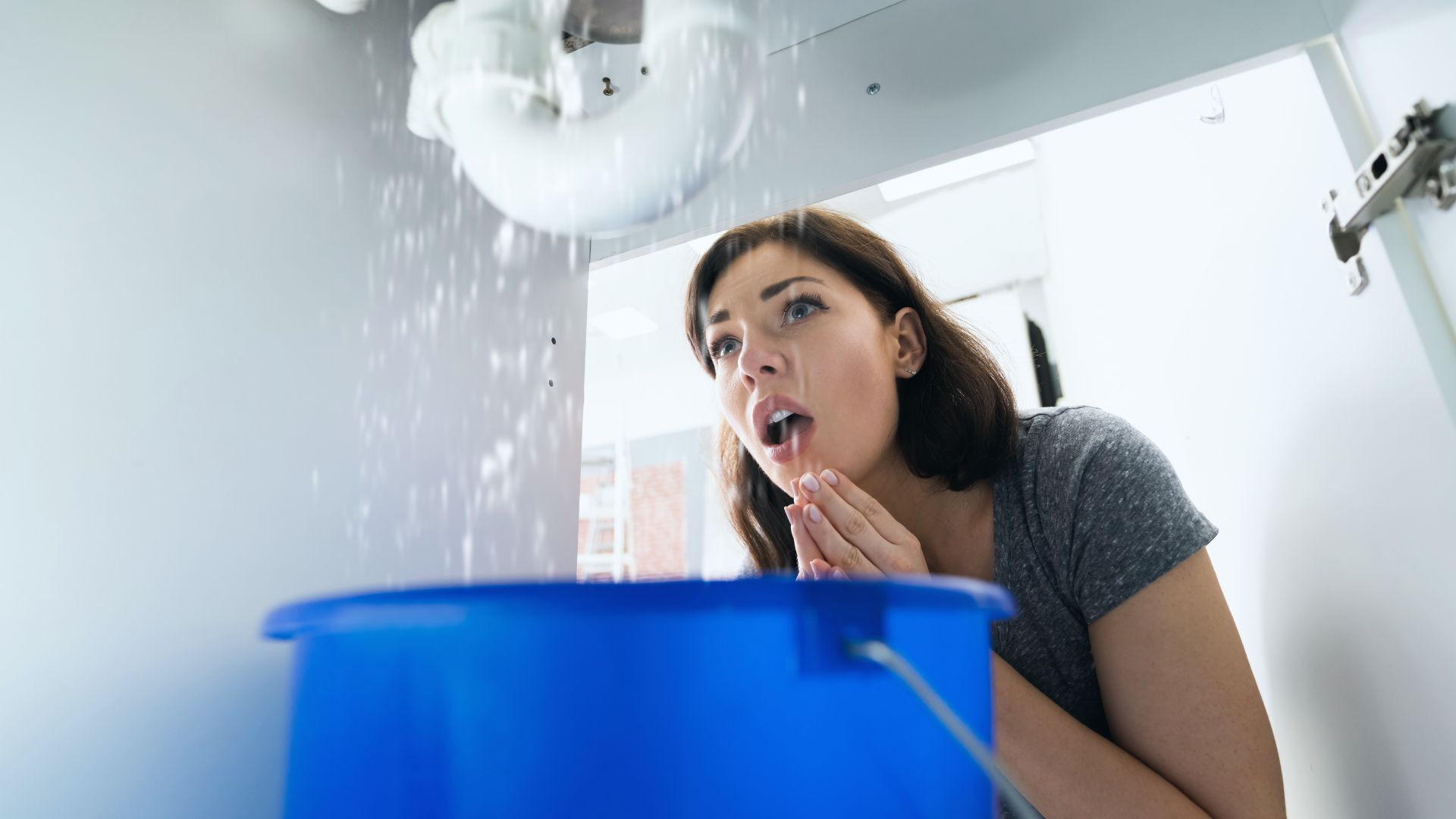
When a pipe bursts or a drain backs up, most people panic and call the first name they find online. But choosing the wrong plumber can cost you far more than the original problem. If you’re searching for reliable Hamilton plumbers, knowing what to look for can save you time, money, and serious stress.

Here’s how to confidently choose a reputable plumber and make sure they’re properly licensed.
Why Choosing the Right Plumber Matters

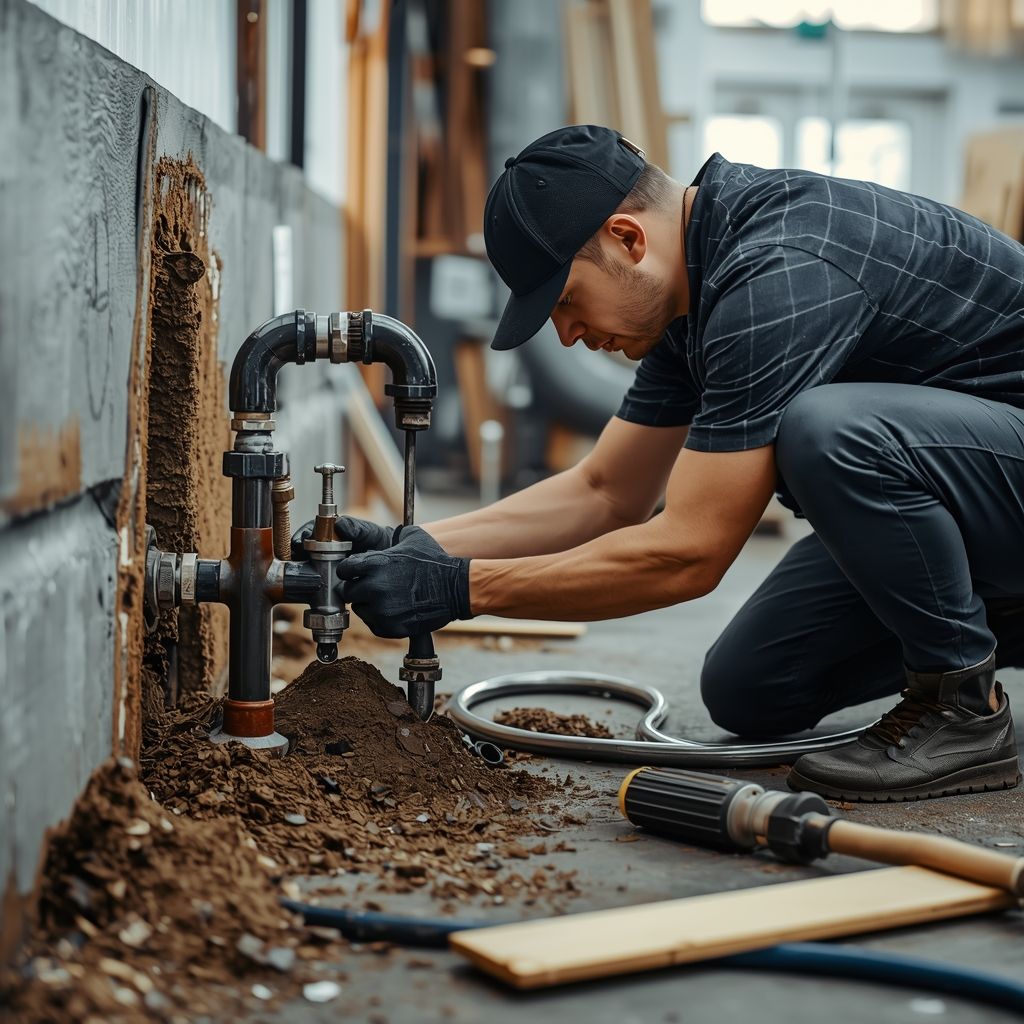
Plumbing issues aren’t just inconvenient—they can quickly escalate into property damage, mold, and expensive repairs if handled incorrectly. That’s why hiring experienced professionals who offer full plumbing services Hamilton homeowners can rely on is critical. Established companies like A Rescue Rooter have built their reputation over decades by delivering consistent, high-quality service across residential, commercial, and industrial plumbing needs.


How to Choose a Reputable Plumber in Hamilton


1. Look for Experience and Longevity

Not all plumbing companies Hamilton residents come across have the same level of expertise. A company that has been operating for decades is more likely to have seen—and solved—every type of plumbing issue.

For example, A Rescue Rooter has been serving Southern Ontario since 1976, giving them over 40 years of hands-on experience. 


What this means for you:

  • Faster diagnosis
  • More efficient repairs
  • Fewer costly mistakes

2. Confirm They Offer Comprehensive Services

A trustworthy plumber should be able to handle more than just basic fixes. Look for providers offering a full range of plumbing repair Hamilton services, including:

  • Drain cleaning and clogged drain solutions
  • Water heater repair and installation
  • Sewer line inspections and repairs
  • Fixture repairs (toilets, faucets, etc.)
  • Renovation plumbing

Companies with a wide service range can address the root cause of your issue instead of just applying a temporary fix. 


3. Check Availability for Emergencies

Plumbing disasters don’t wait for business hours. Whether it’s a burst pipe or basement flooding, you need access to emergency plumbing Hamilton services at any time.

Reliable companies provide:

  • 24/7 availability
  • Fast response times
  • No excessive emergency fees

A Rescue Rooter, for instance, offers round-the-clock emergency plumbing services to minimize damage and restore your system quickly. 


4. Read Reviews and Local Feedback

Online reviews and community discussions can reveal a lot about a company’s reliability. Many Hamilton homeowners emphasize:

  • Clear communication
  • Showing up on time
  • Transparent pricing

In local discussions, customers often highlight responsiveness and fair service as key factors when recommending plumbers. 


5. Ask About Pricing Transparency

A reputable plumber will provide clear estimates before starting work. Avoid companies that:

  • Give vague quotes
  • Add hidden fees
  • Pressure you into unnecessary upgrades

Look for plumbers who prioritize honest assessments and affordable solutions—something long-standing local companies often emphasize. 


How to Find Licensed Plumbers in Hamilton

Hiring a licensed plumber isn’t optional—it’s essential.


Why Licensing Matters

Licensed plumbers:

  • Meet provincial training and safety standards
  • Understand local building codes
  • Carry proper insurance

This protects both your home and your investment.


How to Verify a Plumber Is Licensed

Before hiring, take these simple steps:


1. Ask directly
Any professional plumber should readily confirm their licensing and insurance.


2. Check their website
Reputable companies clearly state that their technicians are licensed and insured. For example, A Rescue Rooter highlights that all their plumbers are fully licensed professionals. 


3. Look for professionalism
Licensed plumbers typically:

  • Arrive with proper equipment
  • Provide detailed explanations
  • Follow safety protocols


Red Flags to Avoid

Be cautious if a plumber:

  • Refuses to show credentials
  • Offers unusually low pricing
  • Pushes quick fixes without inspection

These can lead to bigger problems and higher costs—down the line.


Why Hamilton Homeowners Need Reliable Plumbing

Hamilton’s mix of older homes and new developments creates unique plumbing challenges. Aging pipes, tree root intrusion, and sewer line issues are common in many neighbourhoods. That’s why working with experienced Hamilton plumbers who understand local infrastructure is so important. Companies familiar with the area can quickly identify and resolve these region-specific issues.


Don’t Settle for Less

Choosing the right plumber isn’t just about fixing a leak—it’s about protecting your home.

When evaluating plumbing companies Hamilton offers, focus on:

  • Proven experience
  • Full-service capabilities
  • Emergency availability
  • Proper licensing


Ready to Fix Your Plumbing Problem?

If you’re dealing with a plumbing issue—or want to avoid one—don’t wait until it becomes an emergency. A Rescue Rooter combines decades of experience, licensed professionals, and 24/7 availability to deliver dependable plumbing services Hamilton homeowners trust. Call today or request a quote to get fast, reliable help from local experts who get the job done right the first time.
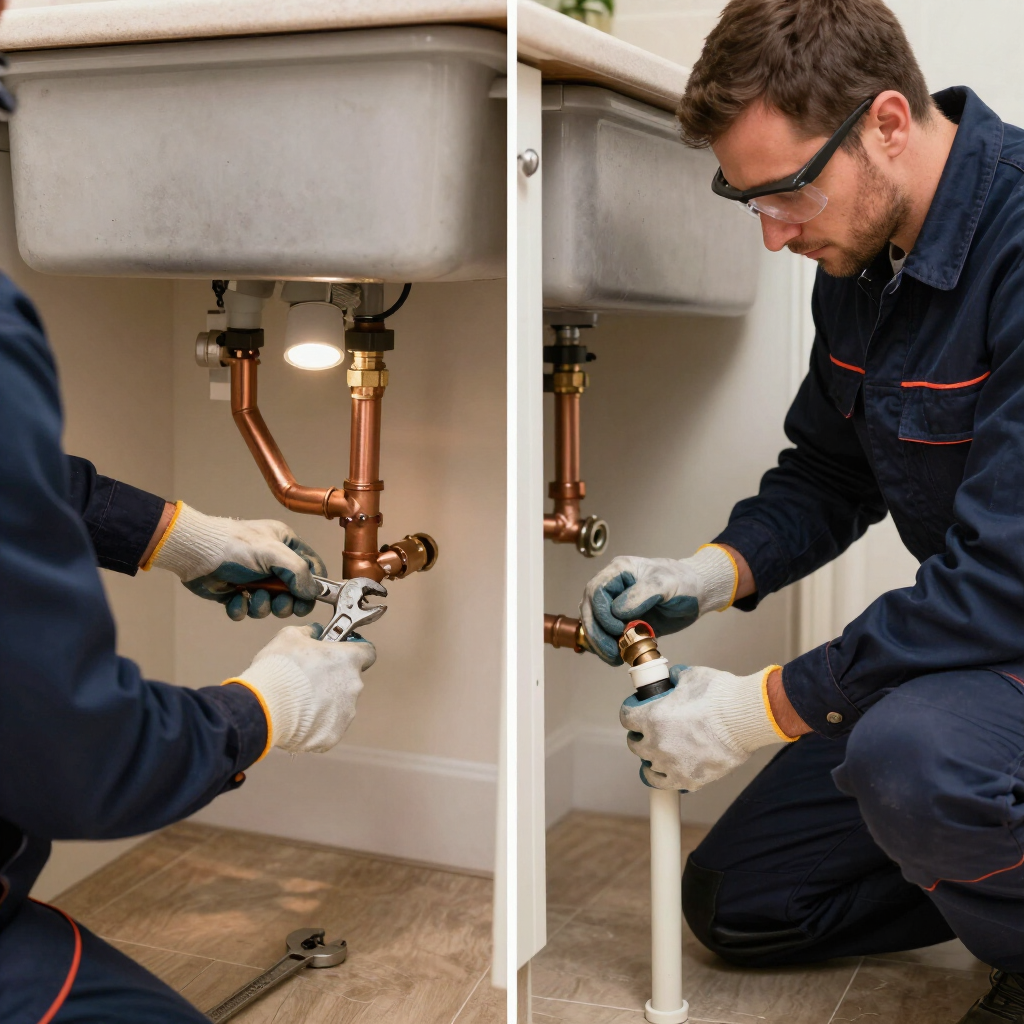
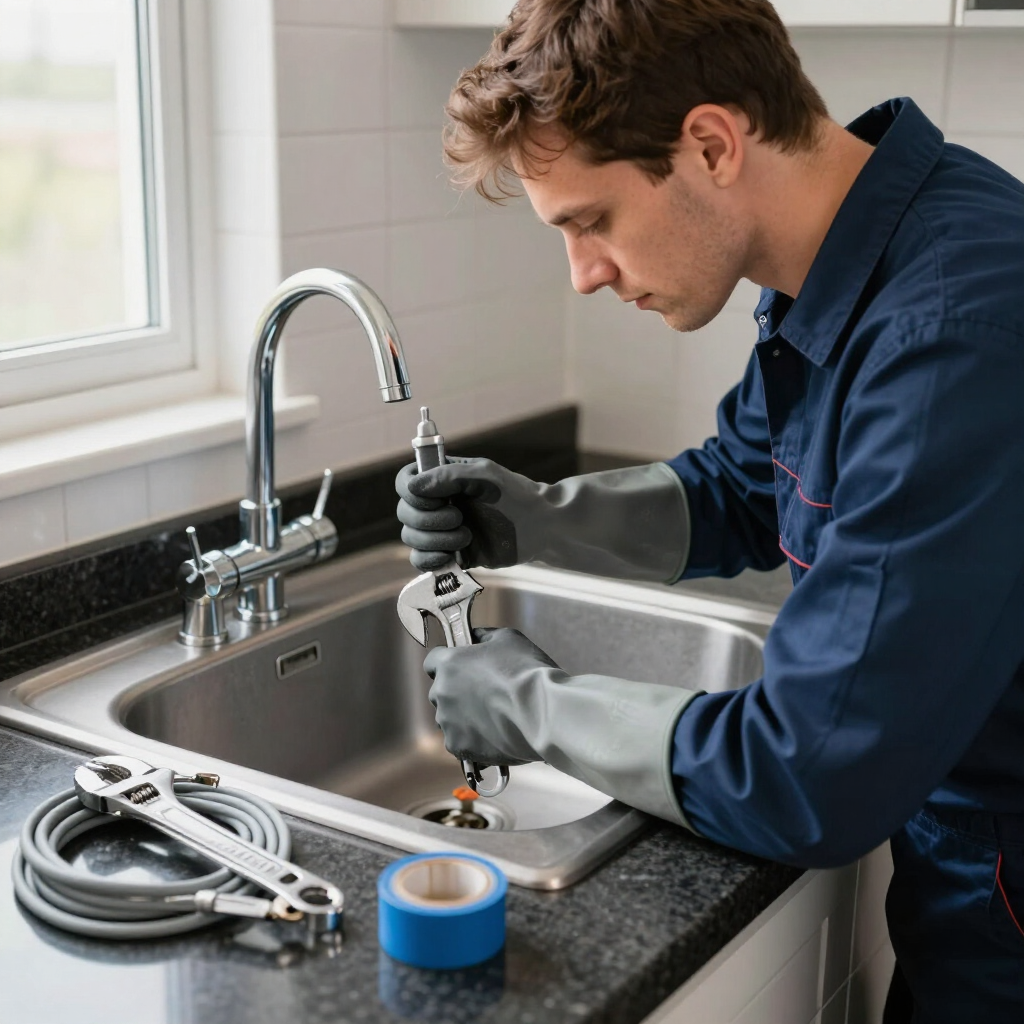
By Chelsey Smith April 2, 2026
When a drain backs up, panic often sets in—but before you reach for harsh chemicals or call it a lost cause, a simple plunger can often do the trick. Knowing how to use the right type of plunger—and how to use it correctly—can save you time, money, and stress. In this guide, we’ll walk you through how to use both toilet and sink plungers effectively, and when it’s time to call in the professionals at A Rescue Rooter in Southern Ontario.
February 27, 2026
As the snow melts and the first green shoots of spring appear, it feels natural to breathe a sigh of relief. The harsh winter is finally behind us, and warmer days are ahead. However, while you are ready to welcome the sunshine, your home’s plumbing system might be facing its most difficult challenge of the year.  The transition from freezing winter temperatures to the damp warmth of spring creates specific environmental changes that can stress your pipes. Understanding what happens beneath the ground during the "spring thaw" is the first step in protecting your home from unexpected leaks and water damage. By staying vigilant and knowing what to look for, you can ensure your plumbing transitions into the new season as smoothly as you do. How the Spring Thaw Affects Your Plumbing It is easy to assume that the danger to your pipes passes once the sub-zero temperatures vanish. In reality, the thawing process can be just as damaging as the freezing process. When the ground freezes, it expands. As it thaws, the soil contracts and shifts. This movement can put immense pressure on your home's water and sewer lines buried underground. If the earth shifts too dramatically, it can cause pipes to crack, bend, or even detach completely. Additionally, the spring thaw brings water—lots of it. Melting snow saturates the soil, raising the water table. This excess water puts hydrostatic pressure on your foundation and pipes, potentially leading to basement flooding if your drainage systems aren't working perfectly. Common Signs of Pipe Damage Because much of your plumbing is hidden behind walls or buried underground, you might not notice an issue until it becomes a significant problem. Keep a close eye on your property this season for these tell-tale signs of distress: 1. Soggy patches in the yard If it hasn't rained recently, but you notice distinct wet, spongy, or unusually green patches of grass in your yard, this could indicate a leak in your underground water line. The escaping water rises to the surface, creating a localized swamp. 2. Low water pressure A sudden drop in water pressure throughout the house is often a symptom of a breach in the main line. If the water isn't reaching your faucets with the usual force, it may be escaping somewhere else along the route. 3. Unpleasant odors If your sewer line has been compromised by shifting soil or infiltrating tree roots (which become active in spring), you may smell sewage inside your home or out in the yard. This is an urgent issue that requires immediate attention. 4. Unexpectedly high water bills Sometimes the signs are financial rather than physical. If your water usage hasn't changed but your bill has spiked, water is likely leaking from a pipe somewhere on your property. Preventive Measures for Homeowners While you cannot control the weather or the shifting soil, there are several steps you can take to minimize the risk of damage during the spring thaw. Test your sump pump: This is your first line of defense against meltwater. Pour a bucket of water into the sump pit to ensure the pump activates and drains the water effectively. If it doesn't, you need to repair or replace it before the heavy spring rains arrive. Clear your gutters and downspouts: Ensure that melting snow and spring rain can flow freely away from your home’s foundation. Clogged gutters can cause water to pool around the base of your house, increasing pressure on basement pipes and the foundation. Check outdoor faucets: Once the threat of frost is truly gone, turn on your outdoor spigots to check for flow. If you place your thumb over the opening and can stop the flow of water, the pressure is too low, indicating a potential leak inside the pipe. When to Call the Professionals Plumbing issues can be stressful, and it is often difficult to know if a problem is a simple DIY fix or a professional emergency. We understand that your home is your sanctuary, and dealing with water damage is disruptive and upsetting. If you notice persistent low pressure, damp spots on your drywall, or standing water in your yard, it is time to call for help. Attempting to dig up underground pipes or fix complex sewer lines on your own can often lead to further damage and higher costs. At Rescue Rooter, we have the specialized equipment to inspect underground lines without destroying your yard. Our team can identify cracks caused by the spring thaw and provide efficient, lasting solutions. We are here to help restore your peace of mind so you can get back to enjoying the warmer weather. Enjoying a Worry-Free Spring Spring should be a time of renewal and enjoyment, not a time spent worrying about wet basements or broken pipes. By keeping an eye out for the signs of shifting soil and testing your drainage systems early, you can catch small issues before they become major headaches. And remember, if the thaw does bring unexpected plumbing challenges, you don't have to face them alone—Rescue Rooter is just a phone call away.
January 31, 2026
Winter brings cozy nights and festive cheer, but it also carries the risk of a messy and expensive household problem: frozen pipes. When water freezes, it expands, putting immense pressure on your plumbing. This can lead to burst pipes, significant water damage, and costly repairs. Understanding how to protect your home before a cold snap and what to do if a pipe freezes is essential for every homeowner. Proactive Steps to Prevent Frozen Pipes The best way to deal with a frozen pipe is to prevent it from ever happening. A little preparation before temperatures plummet can save you a lot of stress and money. Focus on areas of your home where pipes are most vulnerable, such as basements, crawl spaces, attics, garages, and exterior walls. Insulate Vulnerable Pipes Insulation is your first line of defense. It slows the transfer of heat, keeping the water inside your pipes from reaching freezing temperatures. Pipe Sleeves: You can find foam or fiberglass pipe sleeves at any hardware store. They are inexpensive and easy to install. Simply cut them to size and wrap them around exposed pipes. Secure them with tape for a snug fit. Heat Tape: For pipes in extremely cold areas, consider using electrical heat tape or heat cables. These products wrap directly around the pipe and have a built-in thermostat that turns the heat on when the temperature drops, providing consistent protection. Seal Air Leaks: Cold air infiltration is a major contributor to frozen pipes. Use caulk or insulation to seal any cracks or holes in your foundation, walls, and around windows, especially where pipes enter your home from the outside. Keep the Water Moving Even a small trickle of water can be enough to prevent a pipe from freezing solid. When an arctic blast is in the forecast, take these simple steps. Let Faucets Drip: Open the faucets connected to vulnerable pipes just enough to let a slow, steady drip of both hot and cold water flow. This moving water is much harder to freeze. Open Cabinet Doors: Pipes under kitchen and bathroom sinks are often located in unheated cabinets against exterior walls. By leaving the cabinet doors open, you allow warmer air from your home to circulate around the plumbing, keeping them warmer. Maintain a Consistent Temperature Your home's overall temperature plays a crucial role in protecting your plumbing system. Set Your Thermostat: Keep your thermostat set to a consistent temperature both day and night. While you might be tempted to lower it at night to save on heating bills, the extra cost is minimal compared to the expense of a burst pipe repair. Winterizing Your Home: If you plan to be away for an extended period during the winter, never turn your heat completely off. Set the thermostat to at least 55°F (13°C) and consider asking a friend or neighbor to check on your house periodically. What to Do If Your Pipes Freeze Sometimes, despite your best efforts, a pipe may freeze. The first sign is usually a trickle of water—or no water at all—coming from a faucet. If you suspect a frozen pipe, you need to act quickly. Step 1: Locate the Frozen Pipe Your first task is to identify the frozen section of pipe. Start by turning on all the faucets in your house. If one is not working, the frozen area is likely located between that faucet and the main water supply. Look for pipes in unheated areas or along exterior walls. A visible layer of frost or a slight bulge in the pipe can also indicate a freeze. Step 2: Thaw the Pipe Safely Once you've found the frozen section, you can begin the thawing process. The key is to apply heat gradually and safely. Open the Faucet: Before you start thawing, make sure the faucet connected to the frozen pipe is open. This allows melting water and steam to escape, relieving pressure inside the pipe. Apply Gentle Heat: Use a hairdryer on a low setting, a portable space heater (kept a safe distance away), or heating pads designed for this purpose. Start near the faucet end of the blockage and work your way back toward the frozen area.  Never Use an Open Flame: Do not use a blowtorch, propane heater, or any other open-flame device to thaw a pipe. This is extremely dangerous, as it can damage the pipe and create a serious fire hazard. Step 3: Check for Leaks As the pipe thaws, water flow should be restored. Keep a close eye on the entire length of the pipe you just thawed. The expansion from the ice may have created cracks that will begin to leak as the water melts. If you spot a leak, shut off the main water supply to your home immediately to prevent water damage. When to Call a Professional While some minor freezes can be handled on your own, certain situations require expert intervention. A burst pipe is a plumbing emergency that demands immediate professional help. If you are unable to locate the frozen pipe, if the pipe is not accessible, or if your efforts to thaw it are unsuccessful, it’s time to call for help. Attempting complex repairs without the right tools or experience can lead to bigger problems. The pros at A Rescue Rooter specialize in emergency plumbing services, including frozen and burst pipe repairs. Our experienced technicians have the advanced tools needed to quickly locate and safely thaw frozen pipes, even those hidden behind walls. We can assess the situation, repair any damage, and help you implement long-term solutions to prevent future freezes. Don't let a frozen pipe turn into a disaster. A Rescue Rooter is available 24/7 to provide fast, reliable service when you need it most.
Show More