
Why is the Water Coming Out of My Taps Cloudy?
This is a subtitle for your new post
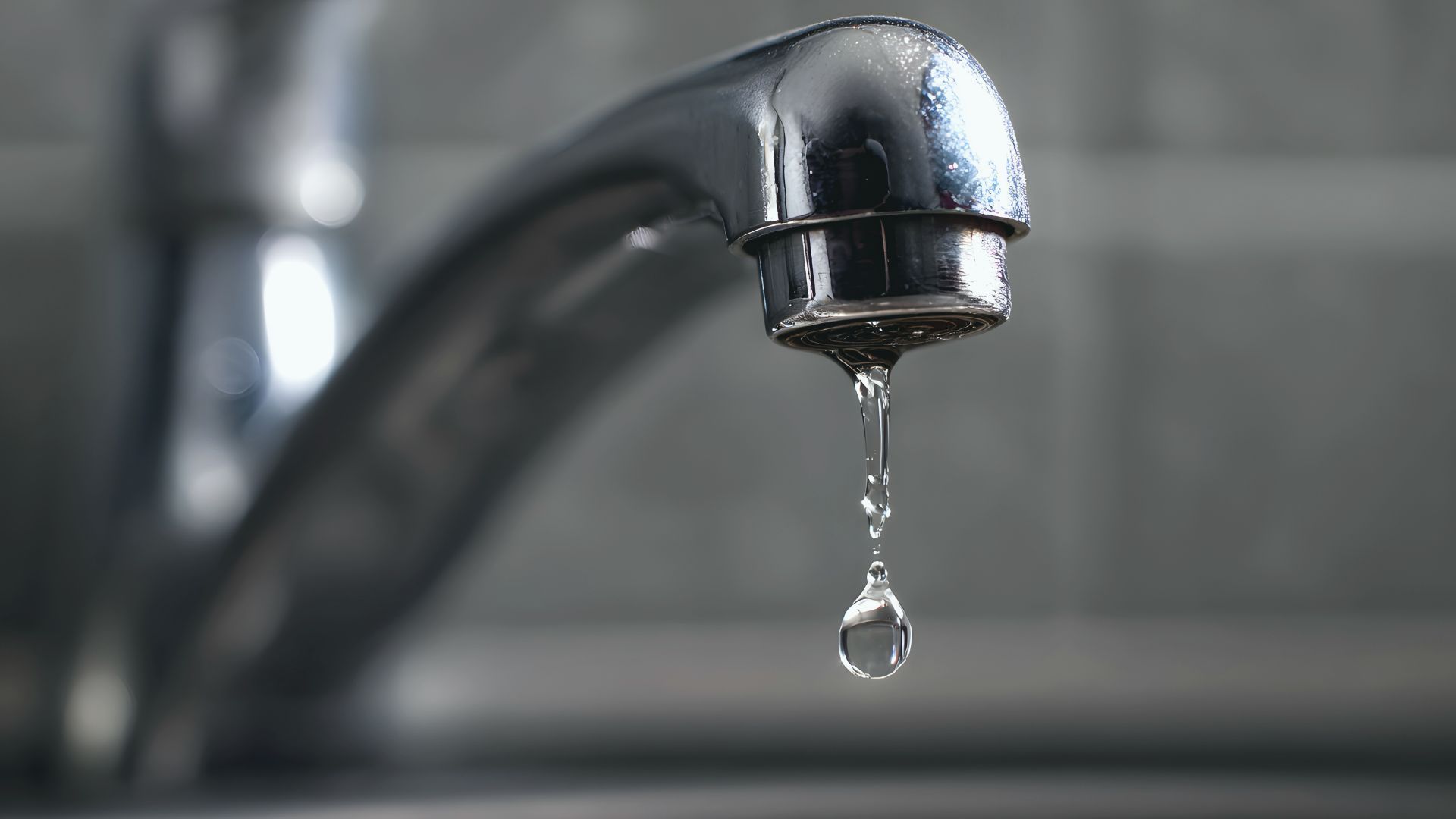
You turn on the faucet to get a glass of water, fill a pot for cooking, or wash your hands, and you notice something odd. The water isn't clear; it's milky, hazy, or cloudy. Your first reaction might be concern. Is it safe to drink? What’s causing this? While cloudy tap water can be alarming, it's often caused by something completely harmless. However, in some cases, it can point to a more significant issue within your plumbing system.
This guide will help you understand the common reasons why your tap water might be cloudy. We'll walk you through how to identify the cause and explain when it’s time to call in the professionals. For plumbing problems big and small, the expert team at A Rescue Rooter is always ready to help restore your peace of mind and your water quality.
The Most Common Culprit: Tiny Air Bubbles
In the vast majority of cases, cloudy tap water is caused by pressurized air. This is especially common during colder months because cold water holds more dissolved air than warm water. When that cold, air-rich water travels from the high-pressure environment of your pipes into the lower-pressure environment of your glass, the air is released, forming millions of tiny bubbles. This phenomenon is known as aeration.
These bubbles make the water appear white or milky. But don't worry, this type of cloudiness is completely harmless.
How to Check for Air Bubbles
Here’s a simple test you can do at home to see if air bubbles are the cause:
1. Fill a clear glass with water from the cloudy tap.
2. Set the glass on a counter and watch it for a few minutes.
3. If the water starts to clear up from the bottom of the glass upwards, then aeration is the reason for the cloudiness. The bubbles are simply rising to the surface and dissipating into the air.
If your water clears up after this test, you have nothing to worry about. The water is perfectly safe to drink and use. If the cloudiness remains or if particles settle at the bottom, it’s time to investigate other potential causes.
Sediment and Solids in Your Water
If the cloudiness doesn't disappear or if you notice particles settling at the bottom of your glass, you might be dealing with sediment. These are fine solid materials, often called Total Suspended Solids (TSS), that can make their way into your water supply. These solids can come from various sources.
Sources of Sediment
● Disturbances in the Main Line: Sometimes, work on the local water mains—like repairs or flushing—can stir up sediment and minerals that have settled in the pipes over time. This can cause temporary discoloration or cloudiness in your home's water supply. This usually resolves itself within a few hours.
● Corroding Pipes: In older homes with galvanized iron or steel pipes, corrosion can release rust and other particles into the water. This might give the water a reddish or yellowish tint along with the cloudiness.
● Well Water Issues: If you use a private well, sediment like sand, silt, or clay can enter your water system, especially after heavy rain or if there are issues with the well's construction or pump.
What to Do About Sediment
If you suspect a disturbance in the city's water main, try running your cold water taps for a few minutes to flush your system. It's best to start with a faucet that doesn't have an aerator, like a bathtub spout. If the issue persists for more than a day, or if you consistently see particles in your water, it could indicate a problem with your home’s plumbing. This is when a professional plumber's expertise becomes invaluable.
Hard Water and Mineral Deposits
Another reason for cloudy water can be "hard water," which contains high levels of dissolved minerals, primarily calcium and magnesium. While these minerals don’t typically make water look cloudy straight from the tap in the same way air bubbles do, they can cause other issues.
Hard water leaves behind a chalky white residue, known as limescale, on fixtures, dishes, and shower doors. In some cases, very high concentrations of these minerals can contribute to a hazy appearance in the water.
Signs of Hard Water
● White, crusty buildup on faucets and showerheads.
● Soap scum on bathtubs and sinks.
● Spots on your dishes and glassware after washing.
● Dry skin and hair after showering.
● Reduced water pressure due to mineral buildup inside pipes.
While hard water isn't a health hazard, it can be a major nuisance and cause long-term damage to your pipes and appliances like your water heater, dishwasher, and washing machine. Limescale buildup can reduce efficiency and lead to costly repairs or replacements.
When Should You Call a Plumber?
It’s important to know when a simple issue becomes a problem that requires professional attention. You should contact a licensed plumber if you experience any of the following:
● The cloudiness doesn't clear after letting the water sit (ruling out air bubbles).
● You notice particles, grit, or color (like red, brown, or yellow) in your water.
● The cloudy water is accompanied by a drop in water pressure.
● Only your hot water is cloudy, which could signal a problem with your water heater.
● You suspect you have hard water and want to explore solutions.
Ignoring these signs can lead to more serious plumbing problems, damage to your appliances, and potential health concerns.
How A Rescue Rooter Can Help
When you’re faced with water quality issues, you need a team you can trust. The experienced plumbers at A Rescue Rooter have the skills and tools to diagnose and solve any problem causing your cloudy tap water.
We can help you:
● Inspect Your Plumbing System: We’ll perform a thorough inspection to identify the source of the problem, whether it’s corroding pipes, sediment in your lines, or an issue with your water heater.
● Address Water Heater Problems: If only your hot water is cloudy, it could be a sign of sediment buildup or a failing anode rod in your water heater. Our team can flush your tank or make necessary repairs to restore its function and your water quality.
● Install Water Treatment Solutions: For homes with hard water or persistent sediment issues, we can recommend and install water treatment systems. A water softener can remove hard minerals, while a whole-house water filter can eliminate sediment, chlorine, and other impurities, providing clean, clear water from every tap.
Your Clear Water Solution
Cloudy tap water can be unsettling, but understanding the potential causes is the first step toward finding a solution. Start with the simple glass test to see if air bubbles are the culprit. If the problem is more complex, don’t hesitate to seek professional help.
The team at A Rescue Rooter is committed to providing reliable solutions for all your plumbing needs. From simple diagnostics to comprehensive water filtration installations, we have the expertise to ensure your water is clean, clear, and safe. Contact us today to schedule a consultation and enjoy the peace of mind that comes with perfect water quality.