
Not sure how to get that pesky clog out of your toilet?

Erin M • November 29, 2022

It happens to the best of us. We have to deal with a clogged toilet...
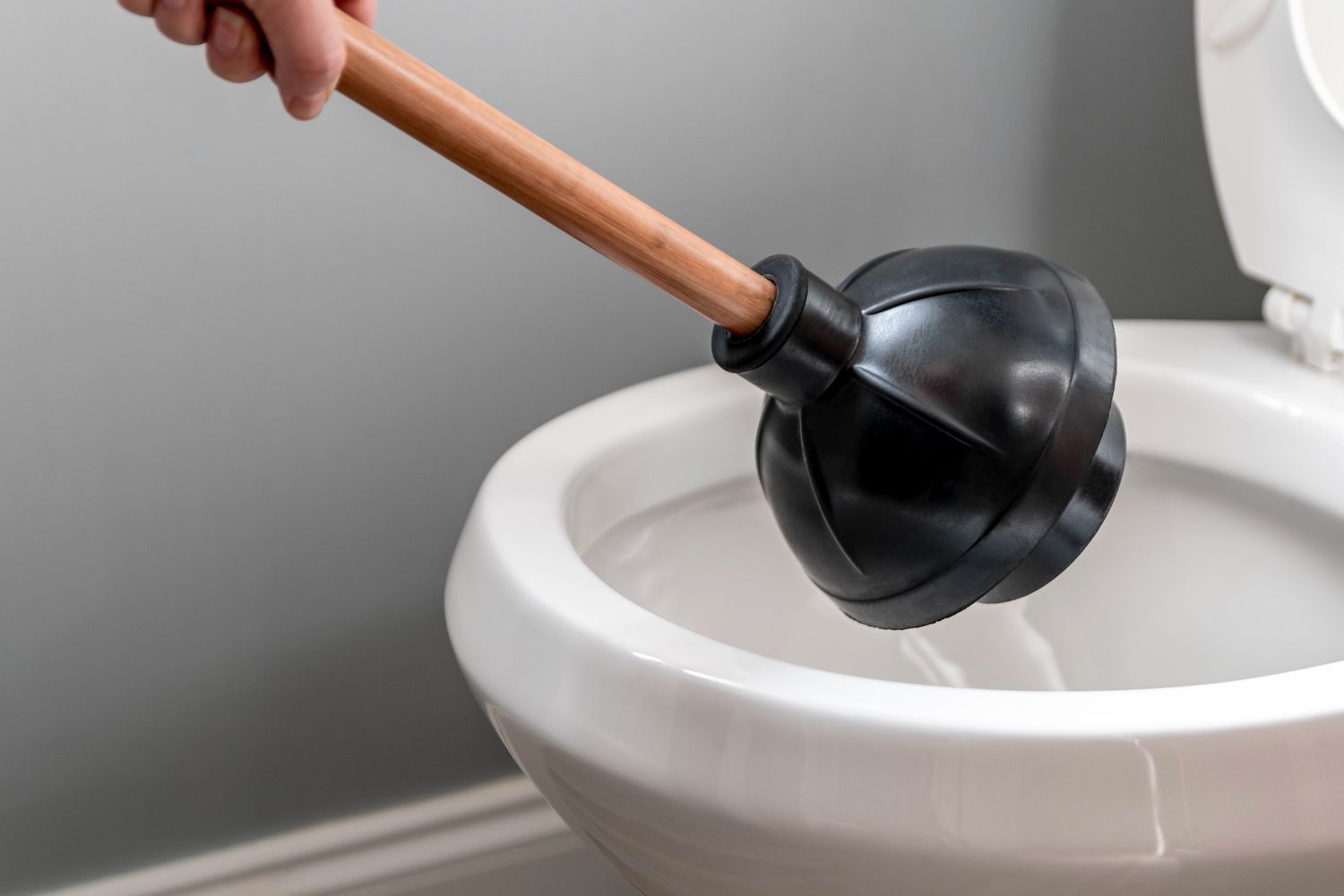
It’s really not a big deal and can be remedied fairly easily. Believe it or not, you can to go about unclogging a toilet without a plunger. The Brantford plumbers at A Rescue Rooter can tackle really clogged toilets as well as your total plumbing needs but here are some tips for to take of the not-so-bad clogs yourself without a plunger.


A super easy way to unclog a toilet is using dish soap. Because dish soap’s consistency is slippery, it will lubricate the offending toilet pipe and allow whatever has caused the clogged toilet to become loose and able to flush. A half cup is all you need and if you happen to be out of dish soap, just cut a bar of bath/hand soap in to chunks. If the dish soap doesn’t work, give hot water a try. (Don’t use boiling water which could crack a toilet.) Just pour a bucket filled with hot water from the bathtub. Stand in front of the clogged toilet and pour the hot water from waist level. The force of the water should shift the clog. Some folks have found success in unclogging a toilet with adding dish soap to the hot water. Because toilets aren’t usually totally clogged, you’ve got some wiggle room. There’s a good chance that the dish soap and the hot water will cause your toilet to drain slowly. You may have to add the contents of another bucket and that’s okay. If you have to, give your clogged toilet time to let the hot soapy water do its job. Don’t forget your Brantford plumbers will help you if you just can’t unclog your toilet. Do not use a store bought cleaner to unclog your toilet in your Brantford home. They can damage your toilet’s pipes and burn your skin.


Now you know you can unclog your toilet without a plunger, it wouldn’t hurt to purchase a plunger and keep it handy. Here’s how use it properly:


-         don’t continue flushing your toilet

-         if the toilet bowl is full, remove some of the water

-         if the toilet bowl is almost empty, add some water

-         stand over the toilet and put the rubber part of the plunger over the toilet’s drain tightly

-         push down on the plunger’s handle a few times without breaking seal between the plunger and the drain

-         when you’ve done this a few times, your toilet should be unclogged


You now know how to deal with your clogged toilet without a plunger with a plunger. A call to A Rescue Rooter in Brantford will help you with all your total plumbing needs, including the clogs you can’t remove yourself twenty-four hours a day, seven days a week. Their technicians are fully licensed, insured and most importantly…a phone call away! No job is too big or too small and they can help you with their state-of-the-art equipment that includes the use of CCTV video for diagnosis and repair in Brantford.


You can contact A Rescue Rooter by completing their online form or a call them at 905-521-8284. They are your local residential, commercial and industrial plumbers with over four decades of experience.


A Rescue Rooter

Never a Premium Rate for your Emergency in Brantford

905-521-8284

By Chelsey Smith April 24, 2026
When a pipe bursts or a drain backs up, most people panic and call the first name they find online. But choosing the wrong plumber can cost you far more than the original problem. If you’re searching for reliable Hamilton plumbers , knowing what to look for can save you time, money, and serious stress. Here’s how to confidently choose a reputable plumber and make sure they’re properly licensed.
By Chelsey Smith April 2, 2026
When a drain backs up, panic often sets in—but before you reach for harsh chemicals or call it a lost cause, a simple plunger can often do the trick. Knowing how to use the right type of plunger—and how to use it correctly—can save you time, money, and stress. In this guide, we’ll walk you through how to use both toilet and sink plungers effectively, and when it’s time to call in the professionals at A Rescue Rooter in Southern Ontario.
February 27, 2026
As the snow melts and the first green shoots of spring appear, it feels natural to breathe a sigh of relief. The harsh winter is finally behind us, and warmer days are ahead. However, while you are ready to welcome the sunshine, your home’s plumbing system might be facing its most difficult challenge of the year.  The transition from freezing winter temperatures to the damp warmth of spring creates specific environmental changes that can stress your pipes. Understanding what happens beneath the ground during the "spring thaw" is the first step in protecting your home from unexpected leaks and water damage. By staying vigilant and knowing what to look for, you can ensure your plumbing transitions into the new season as smoothly as you do. How the Spring Thaw Affects Your Plumbing It is easy to assume that the danger to your pipes passes once the sub-zero temperatures vanish. In reality, the thawing process can be just as damaging as the freezing process. When the ground freezes, it expands. As it thaws, the soil contracts and shifts. This movement can put immense pressure on your home's water and sewer lines buried underground. If the earth shifts too dramatically, it can cause pipes to crack, bend, or even detach completely. Additionally, the spring thaw brings water—lots of it. Melting snow saturates the soil, raising the water table. This excess water puts hydrostatic pressure on your foundation and pipes, potentially leading to basement flooding if your drainage systems aren't working perfectly. Common Signs of Pipe Damage Because much of your plumbing is hidden behind walls or buried underground, you might not notice an issue until it becomes a significant problem. Keep a close eye on your property this season for these tell-tale signs of distress: 1. Soggy patches in the yard If it hasn't rained recently, but you notice distinct wet, spongy, or unusually green patches of grass in your yard, this could indicate a leak in your underground water line. The escaping water rises to the surface, creating a localized swamp. 2. Low water pressure A sudden drop in water pressure throughout the house is often a symptom of a breach in the main line. If the water isn't reaching your faucets with the usual force, it may be escaping somewhere else along the route. 3. Unpleasant odors If your sewer line has been compromised by shifting soil or infiltrating tree roots (which become active in spring), you may smell sewage inside your home or out in the yard. This is an urgent issue that requires immediate attention. 4. Unexpectedly high water bills Sometimes the signs are financial rather than physical. If your water usage hasn't changed but your bill has spiked, water is likely leaking from a pipe somewhere on your property. Preventive Measures for Homeowners While you cannot control the weather or the shifting soil, there are several steps you can take to minimize the risk of damage during the spring thaw. Test your sump pump: This is your first line of defense against meltwater. Pour a bucket of water into the sump pit to ensure the pump activates and drains the water effectively. If it doesn't, you need to repair or replace it before the heavy spring rains arrive. Clear your gutters and downspouts: Ensure that melting snow and spring rain can flow freely away from your home’s foundation. Clogged gutters can cause water to pool around the base of your house, increasing pressure on basement pipes and the foundation. Check outdoor faucets: Once the threat of frost is truly gone, turn on your outdoor spigots to check for flow. If you place your thumb over the opening and can stop the flow of water, the pressure is too low, indicating a potential leak inside the pipe. When to Call the Professionals Plumbing issues can be stressful, and it is often difficult to know if a problem is a simple DIY fix or a professional emergency. We understand that your home is your sanctuary, and dealing with water damage is disruptive and upsetting. If you notice persistent low pressure, damp spots on your drywall, or standing water in your yard, it is time to call for help. Attempting to dig up underground pipes or fix complex sewer lines on your own can often lead to further damage and higher costs. At Rescue Rooter, we have the specialized equipment to inspect underground lines without destroying your yard. Our team can identify cracks caused by the spring thaw and provide efficient, lasting solutions. We are here to help restore your peace of mind so you can get back to enjoying the warmer weather. Enjoying a Worry-Free Spring Spring should be a time of renewal and enjoyment, not a time spent worrying about wet basements or broken pipes. By keeping an eye out for the signs of shifting soil and testing your drainage systems early, you can catch small issues before they become major headaches. And remember, if the thaw does bring unexpected plumbing challenges, you don't have to face them alone—Rescue Rooter is just a phone call away.
Show More